
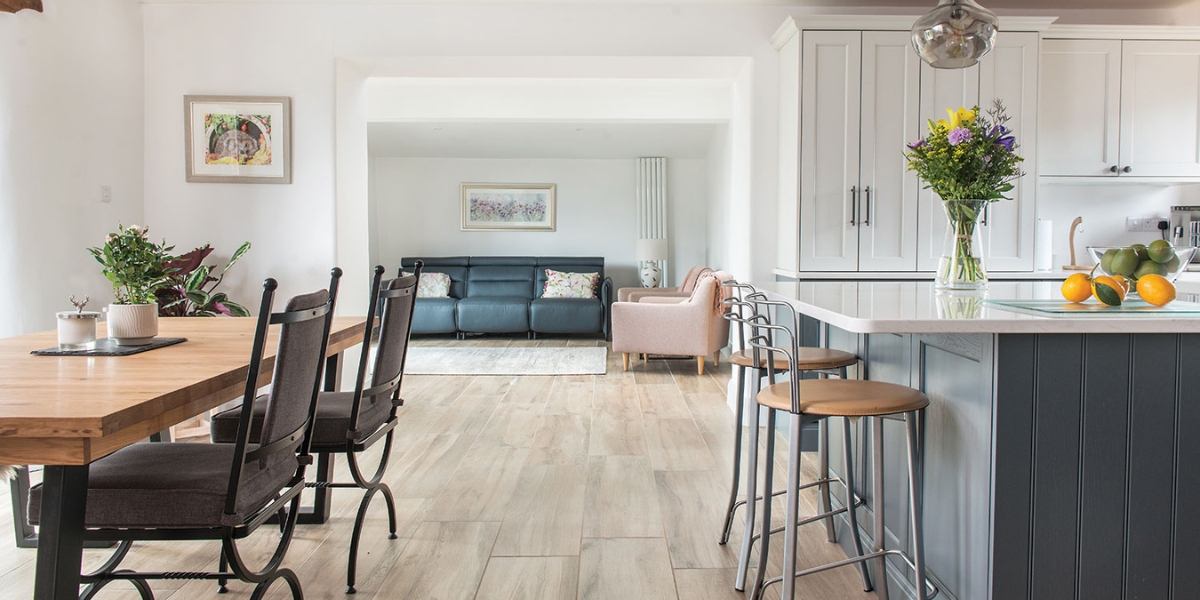
Creating a Home That Flows
When people think about renovating their home, it’s often done one room at a time - a new kitchen this year, perhaps a bathroom update further down the line, with fitted wardrobes or bedroom furniture becoming a future project. But when time and budget allow, there’s something truly special about approaching your home as a whole.
A thoughtfully designed home has a natural sense of flow - where kitchens, bathrooms and bedrooms feel connected rather than separate rooms with completely different identities. This is something our designers love helping customers achieve through multi-room projects.
Creating flow doesn’t mean every room has to match perfectly. In fact, the most beautiful homes still have individuality and character throughout. What brings everything together is a subtle consistency - colours, textures, materials and design details that carry gently throughout the home.
Imagine standing in the centre of your house with several doors open at once. Your eye moves naturally from room to room, and everything feels balanced, calm and connected - like each space belongs to the same story. That’s the beauty of a home designed with flow in mind.
Why Flow Matters
The way a home feels is just as important as the way it looks. When rooms connect visually and practically, the whole house feels calmer, more spacious and more intentional.
You notice it particularly in open-plan living, where kitchens, dining areas and living rooms blend into one another. But that doesn’t have to just apply to open plan, this concept works for all types of homes. When each room has a completely different style or palette it can sometimes feel disjointed and chaotic.
This doesn’t mean matching everything perfectly. Instead, it’s about finding common threads that tie the spaces together naturally.
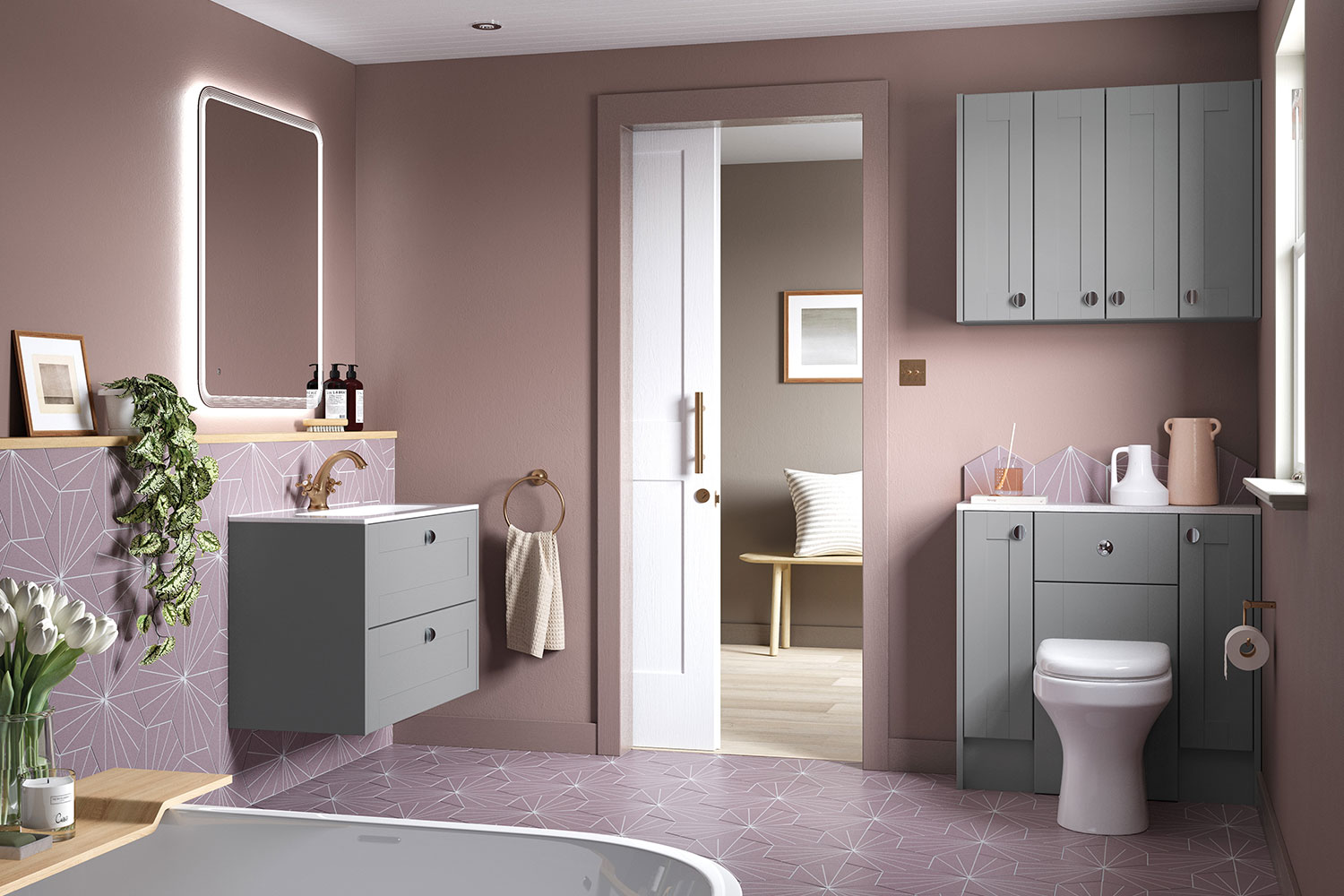
Building a Colour Palette
One of the easiest ways to create flow throughout the home is through colour. Warm neutrals, earthy tones and natural finishes work beautifully across multiple rooms, helping the different areas feel connected without becoming repetitive.
For example, soft wood finishes used in a kitchen can be echoed in fitted bedroom furniture. Bathroom cabinets can complement tones used elsewhere in the home, while accessories, tiles and fabrics help continue the feeling from room to room.
The result is a home that feels harmonious rather than pieced together over time.
Materials and Texture Matter Too
Flow isn’t only about colour - texture and materials play a huge role as well. Natural wood, stone-inspired surfaces, and soft matt finishes can all help create continuity.
A beautifully designed kitchen with warm cabinets and subtle detailing can inspire choices in a bathroom or bedroom. Likewise, fitted furniture and storage solutions can be designed to complement the wider feel of the home rather than feeling disconnected.
Multi-room Projects
Increasingly, homeowners are moving towards multi-room projects rather than isolated renovations. Planning kitchens, bathrooms and bedrooms together allows for a more considered overall design - one where storage, finishes and layouts feel connected and purposeful. Our designers love working on multi-room projects as they feel inspired by bringing it all together aesthetically. It also means practical decisions become easier for both homeowners and the designers - lighting styles, flooring transitions, colour palettes and even handles and accessories can all work together.
.jpg)
Creating a Home That Works Beautifully Together
At Gardiner Haskins, we believe the best homes are the ones that feel thoughtfully connected from room to room. Our showroom brings together kitchens, bathrooms, fitted bedrooms and furniture in one inspiring space, helping you see how different areas of the home can complement one another beautifully.
Whether you’re planning a full home refresh or thinking ahead to a number of future projects, considering the overall flow of your home can make all the difference - creating rooms that not only look stunning individually, but feel even better together.
FAQ
What does it mean for a home to flow well?
A home that flows well feels visually and practically connected as you move from room to room. Layouts, materials, colours and lighting all contribute to how naturally spaces relate to one another, helping the home feel more balanced, cohesive and comfortable to live in.
How can I make different rooms feel connected?
Using recurring colours, finishes, materials or design details throughout the home can help create a stronger sense of continuity. The aim is not to make every room identical, but to ensure spaces feel naturally related while still responding to their own purpose and character.
Should every room in a home follow the same style?
Not necessarily. Different rooms can have their own personality while still feeling part of a cohesive overall scheme. A more considered approach often balances individuality with shared design elements, helping the home feel layered and interesting without becoming disjointed.
Why is colour important when creating a cohesive home?
Colour plays a significant role in how connected spaces feel. Repeating complementary tones or maintaining a consistent undertone throughout the home can help create smoother visual transitions between rooms while supporting a calmer overall atmosphere.
Can flooring help improve flow between rooms?
Yes. Consistent flooring or complementary flooring materials can strengthen visual continuity and improve movement through the home. This is particularly effective in open-plan spaces or multi-room renovation projects where seamless transitions help create a more spacious and unified feel.
Why is storage important in whole-home design?
Thoughtful storage helps reduce visual clutter, allowing the design of each room to feel clearer and more intentional. When storage is planned across multiple spaces rather than in isolation, the home often feels calmer, more organised and easier to navigate day to day.
Is it worth planning multiple rooms together?
Often, yes. Considering kitchens, bathrooms, bedrooms and living spaces together can help create stronger cohesion throughout the home. This joined-up approach allows layouts, materials and finishes to work more harmoniously while supporting everyday routines more effectively.
How can an interior designer help create a home that flows?
Interior designers help identify how different spaces connect both visually and practically. By considering movement, layout, materials and lifestyle needs together, they can help create homes that feel more cohesive, functional and thoughtfully resolved as a whole.


