

What Kitchen Features Help Create a More Social Space?
The kitchen has become far more than a place to prepare meals. Increasingly, it’s where people gather at the beginning and end of the day, catch up with family, entertain friends or simply spend time together more naturally.
As homes continue to evolve towards open-plan and multifunctional living, kitchen design now plays an important role in shaping how social a space feels. Layout, lighting, seating and storage all influence how comfortably people can move through the room and interact within it.
At Gardiner Haskins Interiors, we often help homeowners design kitchens that balance practicality with a more relaxed, connected feel - creating spaces that support both everyday routines and social living.
Kitchen Islands as a Natural Gathering Point
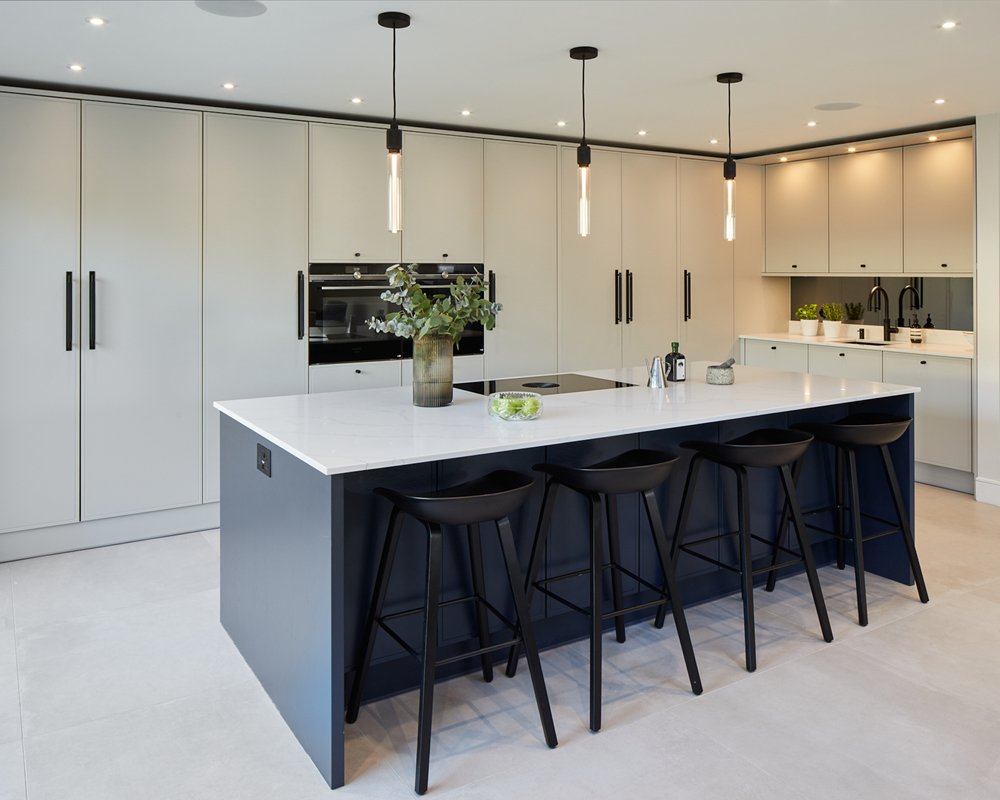
Few features influence a social kitchen more than an island.
An island naturally creates a central point within the room, allowing people to gather comfortably without interrupting cooking or preparation areas. Whether used for casual breakfasts, evening drinks or conversations while cooking, it helps make the kitchen feel more open and interactive.
Seating also plays an important role. Incorporating bar stools or an overhanging worktop encourages people to stay within the space for longer, helping the kitchen feel more relaxed and informal.
Larger islands can also help define zones within open-plan layouts, subtly separating cooking, dining and living areas while maintaining a connected overall feel.
 Open-Plan Layouts and Better Flow
Open-plan kitchen layouts continue to grow in popularity because they support a more sociable way of living.
Removing visual barriers between the kitchen, dining and living areas helps conversations flow more easily and allows people to remain connected throughout the day. Cooking becomes less isolated, while the wider space feels lighter and more flexible.
Good flow is equally important. Carefully planned walkways, practical zoning and considered appliance placement all help the kitchen function more comfortably when multiple people are using the space at once.
The result is a kitchen that feels easier to live in, particularly during busy family life or when entertaining.
Integrated Seating and Dining Spaces
Social kitchens often include a variety of seating options rather than relying on one formal dining area.
Breakfast bars, banquette seating and built-in dining spaces all encourage more informal use throughout the day. These areas can help the kitchen feel more welcoming and adaptable, supporting everything from quick morning coffees to longer evening gatherings.
In smaller kitchens, integrated seating can also help maximise space while maintaining a more cohesive overall layout.
 Lighting and Atmosphere
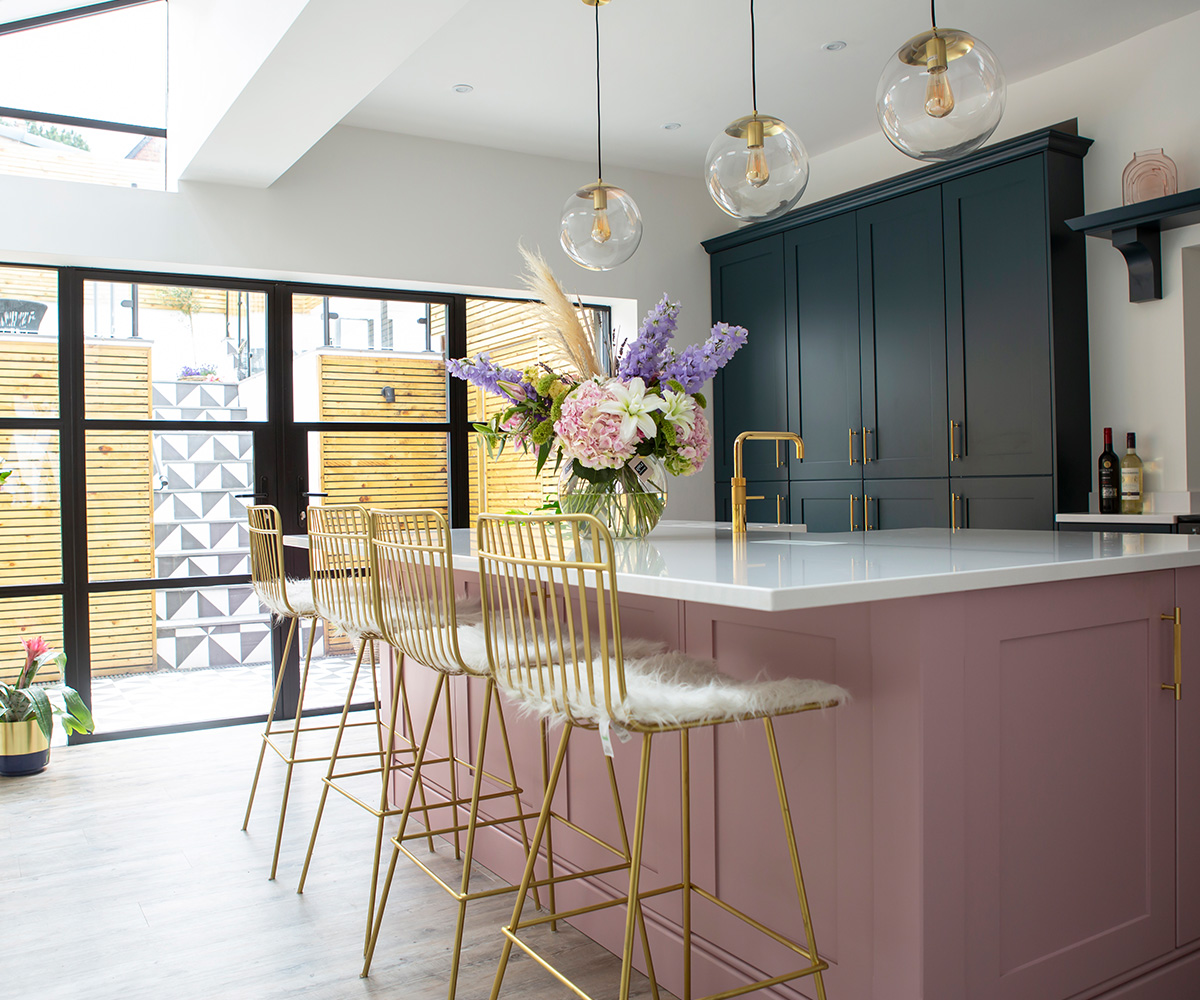
Lighting has a significant impact on how social a kitchen feels.
Layered lighting allows the atmosphere to shift throughout the day, balancing practical task lighting with softer ambient illumination. Pendant lighting above islands or dining tables helps create warmth and focus within larger spaces, while under-cabinet lighting adds subtle depth and functionality.
Dimmable lighting is also increasingly popular, helping the kitchen transition more naturally from daytime use into a more relaxed evening environment.
Appliances That Support Everyday Living
Appliances also influence how comfortably a kitchen functions socially. Features such as boiling water taps, integrated extraction and multifunction ovens help simplify everyday tasks and reduce interruption within the space. Larger cooking zones, double ovens and integrated refrigeration can also support households that regularly entertain or cook for larger groups.
The aim is not simply adding technology, but choosing appliances that feel intuitive and well integrated within the wider design. We work with appliance brands including NEFF, Siemens and Bora, helping homeowners tailor kitchens around how they cook and live.
Storage That Keeps the Space Feeling Calm
A social kitchen often feels more inviting when clutter is reduced.
Thoughtfully designed storage helps maintain cleaner surfaces and better organisation, particularly in open-plan homes where the kitchen remains constantly visible. Features such as pantries, integrated bins, hidden charging points and internal drawer organisation all contribute to a calmer overall feel.
Utility rooms also increasingly support social kitchens by moving laundry and additional storage away from the main living area, allowing the kitchen itself to remain more open and relaxed.
.jpg) Final Thoughts
Final Thoughts
The most social kitchens are rarely defined by one feature alone. Instead, they are shaped by thoughtful decisions that support how people gather, move and interact within the space.
From islands and seating to lighting, storage and layout, each element contributes to a kitchen that feels more connected and easier to live in every day.
With the right approach, the kitchen becomes more than a functional room, it becomes a space designed around conversation, comfort and everyday living.
FAQ
What makes a kitchen feel more social?
A social kitchen is typically designed to encourage connection and conversation rather than focusing purely on cooking. Layout, seating, lighting and movement through the space all influence how naturally people gather, helping the kitchen feel more welcoming and connected to everyday living.
Are kitchen islands good for entertaining?
Yes. Kitchen islands often become natural social hubs by creating additional preparation space alongside informal seating. They allow cooking and conversation to happen more easily at the same time, helping hosts remain connected to family or guests rather than feeling separated from the room.
Is open-plan layout important for a social kitchen?
Open-plan layouts often help kitchens feel more sociable by improving visual and physical connections between cooking, dining and living spaces. This supports easier conversation, better flow and a more relaxed atmosphere during both everyday routines and entertaining.
What seating works best in a social kitchen?
The most effective seating depends on how the space is used. Breakfast bars, island stools, banquette seating and nearby dining areas can all help create comfortable places for people to gather while keeping the kitchen practical and easy to move through.
How can lighting improve the atmosphere of a social kitchen?
Lighting plays a major role in how welcoming a kitchen feels. Layering task lighting with softer ambient or feature lighting can help the space transition from practical daytime use to a warmer, more relaxed evening atmosphere suited to entertaining.
How can I make a small kitchen feel more social?
Even compact kitchens can feel highly sociable with thoughtful layout planning. Improving circulation, reducing clutter, incorporating clever storage and adding small seating areas or open sightlines can help smaller spaces feel more connected and inviting.
Can storage affect how social a kitchen feels?
Absolutely. Good storage reduces visible clutter, which helps the kitchen feel calmer and more open when hosting. Integrated storage, appliance housing and pantry solutions can help maintain cleaner surfaces and a more balanced overall environment.
Can a kitchen designer help create a more sociable layout?
Yes. An experienced kitchen designer can help identify layout opportunities that improve flow, seating, zoning and day-to-day usability. A more considered design approach often helps create kitchens that support both practical cooking and relaxed social interaction.


