

The Rise of the Gardiner Business
The story of Gardiner Haskins is closely woven into the fabric of Bristol itself. It spans nearly two centuries and includes the history of Broad Plain, the Gardiner family, and the growth of a business that evolved from ironmongery and manufacturing into one of Bristol’s best-known home retailers.
In the Beginning: 1825
The story begins in 1825, when Zachariah Cartwright opened an ironmongery business in John Street and Tower Lane, Bristol. After his death, the company was taken over by his nephew, Emmanuel Chilcott.
In 1865, Alfred Gardiner joined the business, bringing with him valuable experience gained in Sydney, Australia. Prior to emigrating, Alfred had run his own ironmongery and foundry in Axminster, employing 11 people according to the 1851 census.
The Gardiner Family in Business
Alfred Gardiner was the son of John Gardiner, who served as Sheriff of Bristol (1819–1820) and later as Postmaster (1825–1832). John Gardiner famously saved the city’s mail during the Bristol Riots of 1831 by transporting it safely to Bath in his private coach.
Following John’s death, his son Henry Gardiner developed a successful clothing business, forming Wathen Gardiner in 1862. Meanwhile, Alfred’s sons Thomas Chapple and John Gardiner joined the ironmongery business in 1871. When Chilcott retired, they took over his shares and the company was renamed Alfred Gardiner & Sons.
Expansion During the Industrial Age
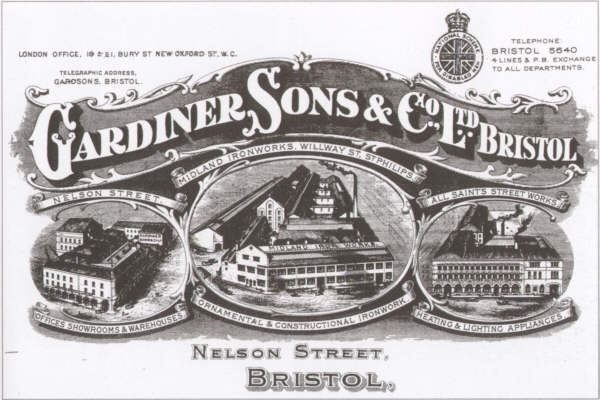
In 1874, the company opened new premises on Nelson Street, formerly a boot factory. Sales representatives travelled across the South West by horse and trap, reaching as far as Cornwall and Wales.
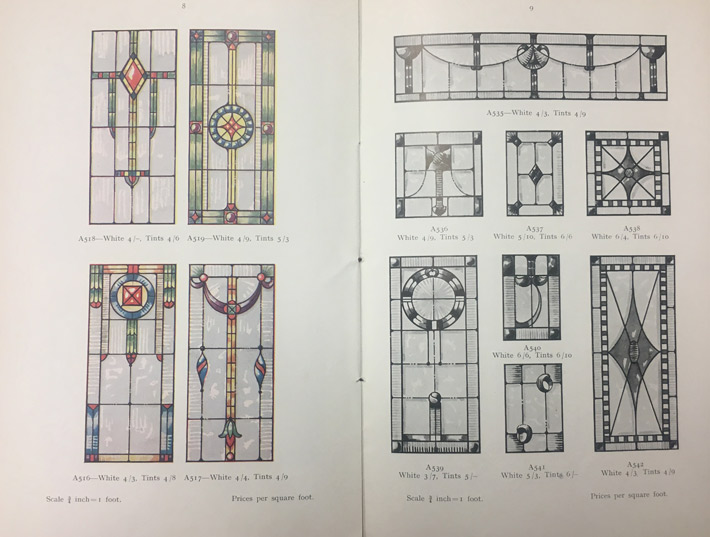
By 1878, the business had expanded into manufacturing, producing gates, railings, steel windows, church ironwork and light constructional steelwork from premises in All Saints Street and Duck Lane (now Fairfax Street). In 1893, Gardiner & Sons became one of the first limited liability companies in Bristol.
Further expansion followed with the opening of Midland Ironworks in St Philips in 1897. During the Boer War, the company contributed to the war effort by manufacturing saddle arches for cavalry use.
Early 20th Century Growth and War Efforts
By the early 1900s, Gardiner & Sons was thriving. New warehouses and purpose-built factories were added, including a three-storey ironworks building in 1901.
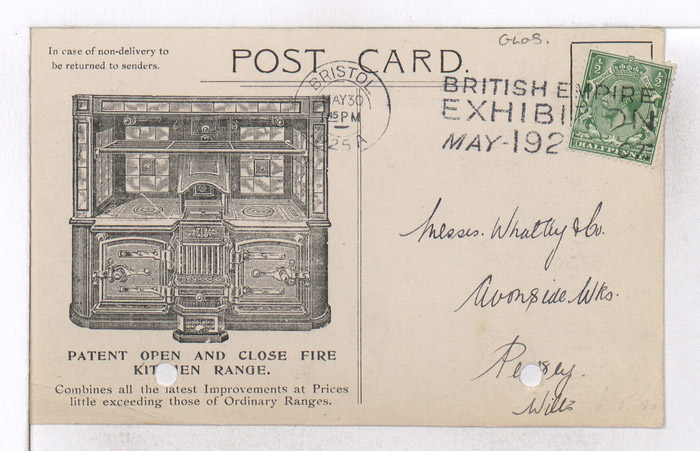
During the First World War, the company produced trench mortars, bombs and aircraft components. Growth continued into the 1920s and 1930s, with the acquisition of specialist bronze founders and the expansion of ornamental ironwork production.
The Nelson Street premises were reportedly so vast that new employees sometimes needed directions to find their departments.
Beacon House: A Landmark Showroom
In 1930, Gardiner & Sons acquired the former Queen’s Hotel on Queen’s Road and transformed it into an impressive showroom known as Beacon House. Bedrooms became offices, while stables and cellars were converted into retail spaces.
When it opened in 1933, Beacon House was described as, “Certainly no finer ironmongery shop in the West.”
The Second World War
At the outbreak of World War Two, production at Midland Ironworks shifted rapidly. The company manufactured components for Bailey Bridges, Mulberry Harbours, aircraft parts and military equipment.
One of the most secret projects involved experimental copper models of naval vessels, including HMS Illustrious. The work was so confidential that the models were removed from the factory under cover of darkness.
Post-War Change and the Broad Plain Development
After the war, expansion continued briefly. However, by the late 1950s, manufacturing declined due to increased competition and reduced demand.
Beacon House was sold, and the company consolidated operations at Broad Plain, opening new warehouses, offices and showrooms there in 1959. This marked a pivotal shift away from manufacturing and towards retail.
A Link to Brunel
In 1959, the company made a remarkable discovery. While viewing relics belonging to Isambard Kingdom Brunel, the chairman noticed one of Brunel’s protractors engraved with:
“GARDINER BRISTOL”
It was believed Brunel himself had purchased it, creating a tangible link between the company and one of Britain’s greatest engineers.
From Manufacturing to Retail
During the 1960s and 1970s, Gardiner Haskins fully embraced retail. In 1972, a major redevelopment created a vast homecentre selling everything for the home under one roof, complete with a 500-space customer car park.
For many years, it was the largest retail store in Bristol, welcoming over a million visitors annually. Gardiner Haskins also pioneered Sunday and Bank Holiday trading, becoming known for its family-friendly atmosphere, seasonal events and community focus.


Gardiner Haskins Interiors Today
In 2018, the historic Brunel Rooms underwent redevelopment, and in December that year, Gardiner Haskins moved into its new showrooms.
Today, our Bristol store is home to beautifully designed fitted kitchens, bathrooms and bedroom showrooms, alongside one of the region’s largest bed showrooms. Our heritage remains at the heart of everything we do - combining 200 years of experience with modern design, technology and customer service. In 2025 we were pleased to receive the Bristol Life Award for “Home and Interiors” and Bristol Property Award for “Kitchens”.


